Gas Line Capping in Denver, CO
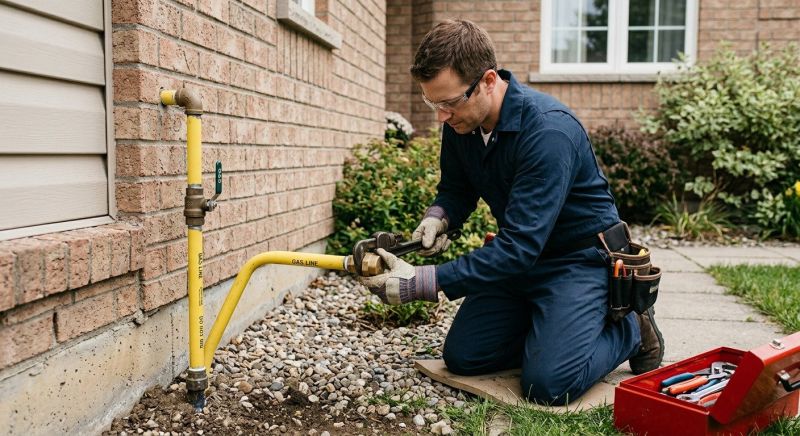
Gas line capping services involve safely sealing off existing natural gas or propane lines, often during home renovations, appliance upgrades, or when removing outdated systems. This process is essential for property owners who need to deactivate a gas supply line, whether for a new construction project, a remodel, or to prevent leaks in unused lines. Property owners should understand the importance of proper capping to ensure safety and compliance, as well as the potential need for permits or inspections depending on local regulations.
Before requesting gas line capping, property owners typically want to know if the work will affect other parts of the gas system and whether any preparation is needed beforehand. It’s also helpful to clarify if the service includes inspection or certification of the capped line, especially if the property is being sold or inspected. Understanding the scope of the project, the materials used, and any necessary follow-up steps can help ensure the process proceeds smoothly and safely.
Many property owners in Denver, CO look into Gas Line Capping for repairs, replacements, upgrades, and appearance-related improvements.
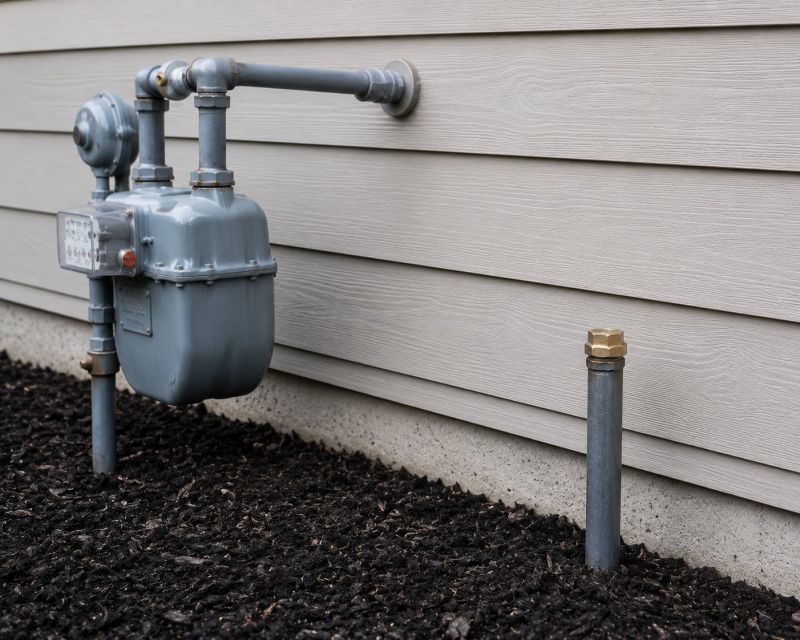
Gas Line Sealing Solutions
Properly capping gas lines prevents leaks and ensures safety for residential and commercial properties in denver.
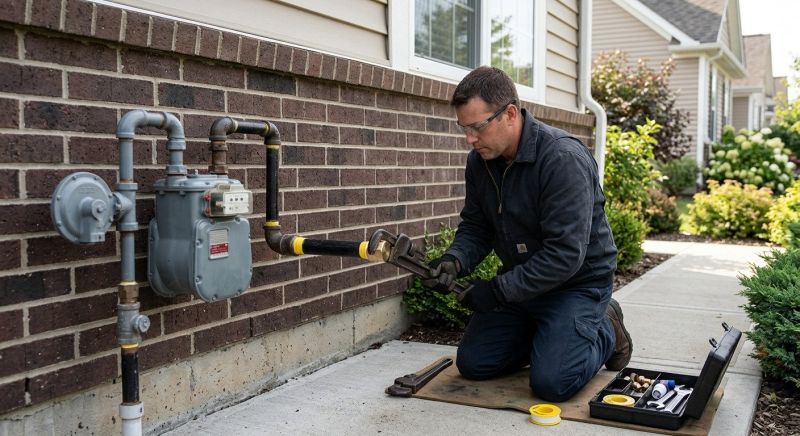
Emergency Gas Line Closure
Quickly shutting off and capping gas lines is essential during renovations, repairs, or emergency situations.
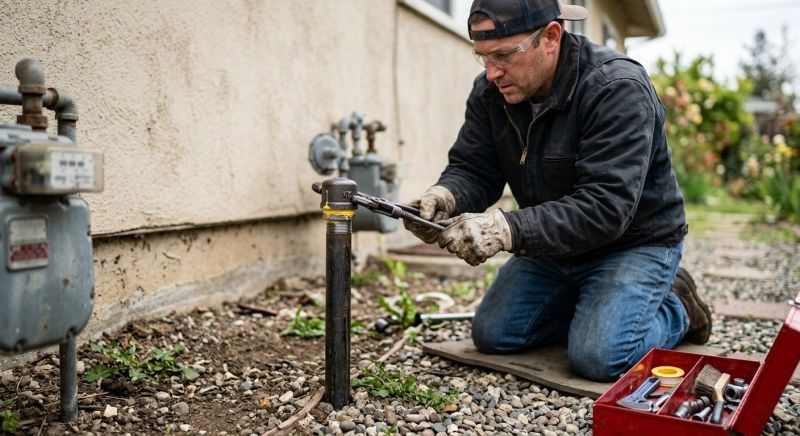
Gas Line Removal And Abandonment
Capping unused gas lines safely is important when updating or decommissioning old systems in denver homes and businesses.
Gas Line Capping in Denver, CO
Gas line capping services involve safely sealing off existing natural gas or propane lines, often during home renovations, appliance upgrades, or when removing outdated systems. This process is essential for property owners who need to deactivate a gas supply line, whether for a new construction project, a remodel, or to prevent leaks in unused lines. Property owners should understand the importance of proper capping to ensure safety and compliance, as well as the potential need for permits or inspections depending on local regulations.
Before requesting gas line capping, property owners typically want to know if the work will affect other parts of the gas system and whether any preparation is needed beforehand. It’s also helpful to clarify if the service includes inspection or certification of the capped line, especially if the property is being sold or inspected. Understanding the scope of the project, the materials used, and any necessary follow-up steps can help ensure the process proceeds smoothly and safely.
Many property owners in Denver, CO look into Gas Line Capping for repairs, replacements, upgrades, and appearance-related improvements.
Common Gas Line Capping Jobs
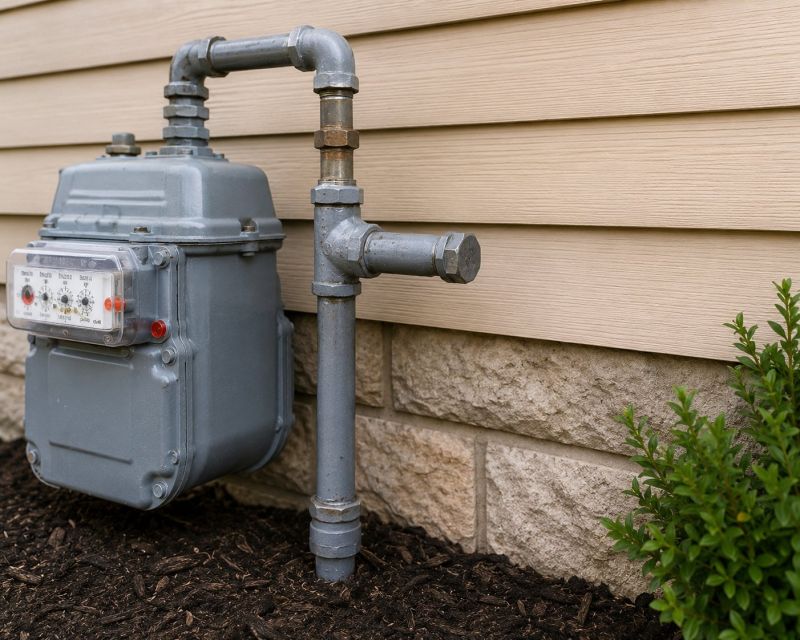
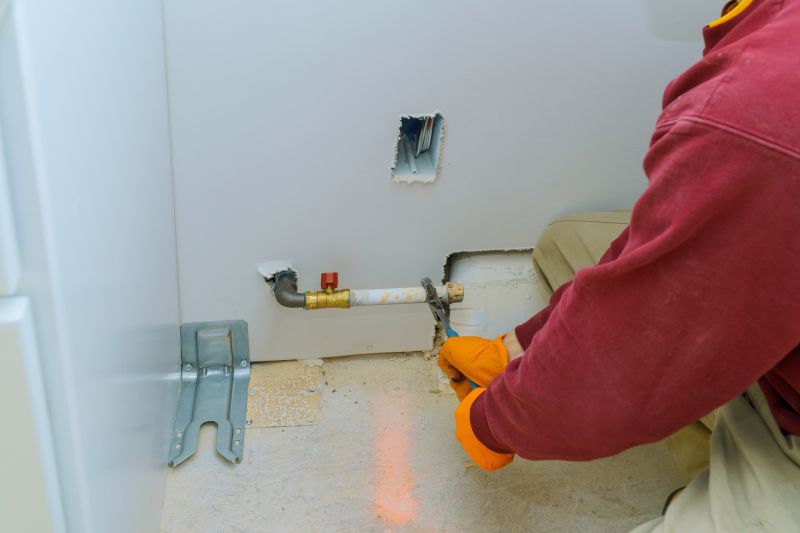
Gas line capping - safely seals unused or abandoned gas lines to prevent leaks.
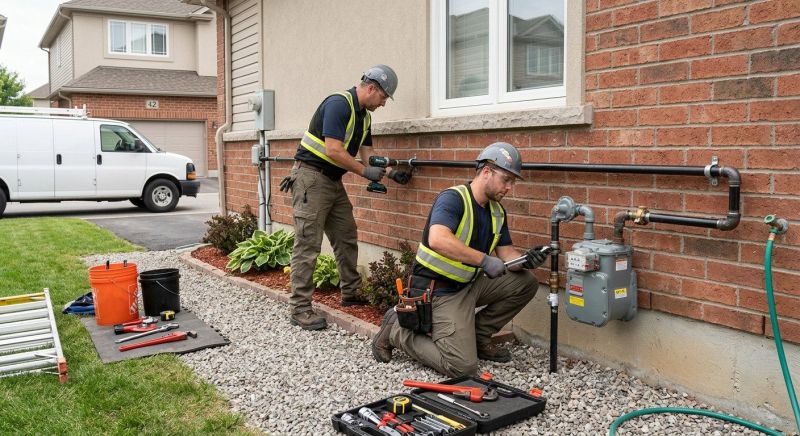
Property renovations - ensures gas lines are properly capped during remodeling or demolition projects.
Gas line repairs - involves capping damaged or leaking lines to maintain safety.
New construction - includes capping existing gas lines before installing new systems.
Emergency shutdowns - requires prompt capping of gas lines to address urgent safety concerns.
Line decommissioning - involves capping gas lines when they are no longer in use or service.
Gas Line Capping Questions
What is gas line capping? Gas line capping involves sealing off an unused or abandoned gas line to prevent leaks and ensure safety.
When is gas line capping needed? It is typically required during property renovations, demolitions, or when removing outdated appliances connected to the gas supply.
Are gas line caps safe for property owners? Properly installed caps are designed to safely isolate unused gas lines and reduce the risk of leaks or accidents.
Can gas line capping be done on any type of property? Yes, it can be performed on residential, commercial, and industrial properties where gas lines are no longer in use.
Request Gas Line Capping in Denver, CO
Use the quote form on this page to share the basics of your project and request more information for the type of work you need.